
Reclaiming Small towns : Legacy waste and dumpsite solutions
Legacy waste poses a growing environmental and governance challenge for India’s small and medium towns, with an estimated 1,300 million
Please fill out the form below and we will get back to you as soon as possible.

Contrary to popular belief, Lorem Ipsum is not simply random text. It has roots in a piece of classical Latin literature from 45 BC, making it over 2000 years old.
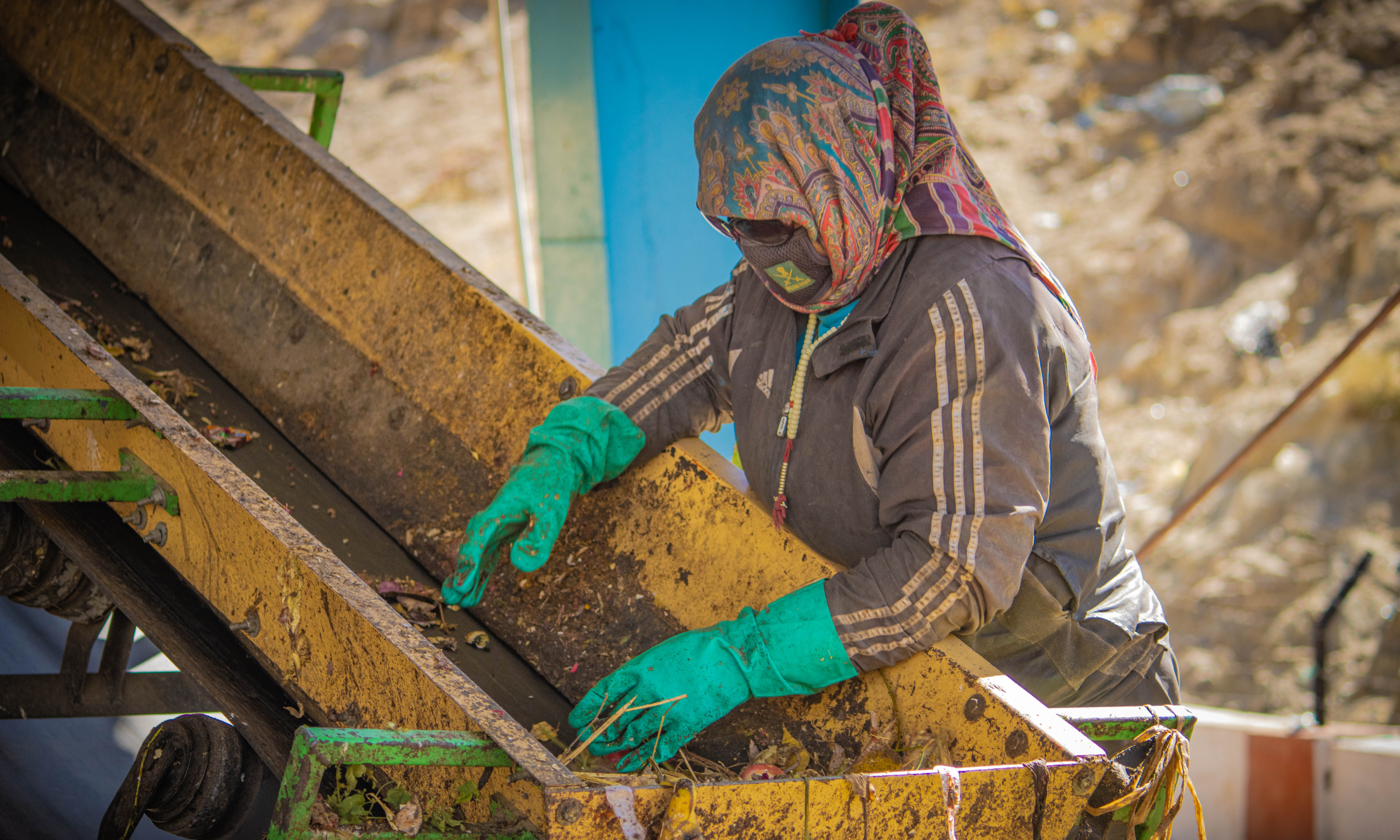
FISH strengthens solid waste management in small towns across India by shifting systems from linear disposal to circular material use. We work beyond routine collection – driving waste reduction, reuse, recycling, and recovery across the full value chain. Our interventions enable decentralized dry and wet waste processing, optimize MRF operations through better layouts and processes, and build local capacity for long-term performance.
FISH integrates informal waste workers into formal service delivery and reinforces recycling value chains, with a strong focus on plastics and textiles. We provide hands-on technical support to local governments through Waste Flow Diagrams, city-level SWM Plans, and legacy waste remediation studies, including RDF solutions and dump-site land reclamation. Our work has guided remediation planning for ~200,000 MT of legacy waste across six ULBs, trained 300+ officials, and are projected to cut emissions by ~60% in Chintamani town, avoiding ~30,000 tCO₂e by 2026.
FISH enables climate-resilient sanitation systems in India's small towns by prioritizing reuse, recharge, and resource recovery. Our work promotes the safe reuse of treated usedwater and faecal sludge in agriculture, landscaping, and construction, while advancing decentralized and nature-based systems for groundwater recharge.
We partner with urban local bodies to deliver technical planning for decentralized infrastructure, strengthen institutional capacity, develop viable business and financing models, and coordinate stakeholders to ensure long-term system performance. By reducing dependence on freshwater sources, our approach addresses growing water stress while improving sanitation outcomes.
Our approach is grounded in evidence. FISH recently led Following the Flows – Insights into India's Emerging Water Futures, a multi-state assessment covering 15 small towns across varied geographies. The study examines water and sanitation systems across the full service chain through governance, financial, and climate lenses, identifying funding gaps and unrealized opportunities for circular, reuse-focused investments.
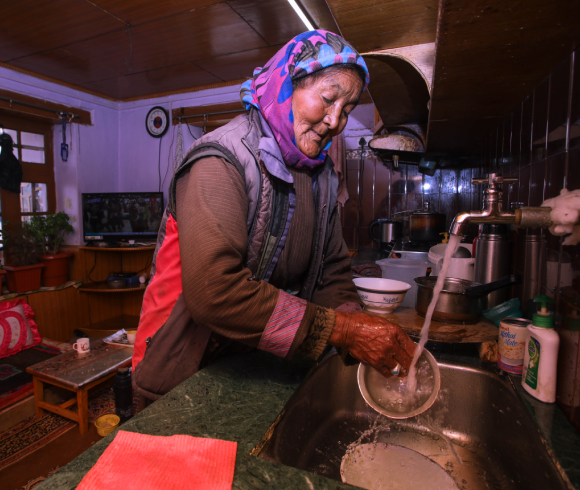
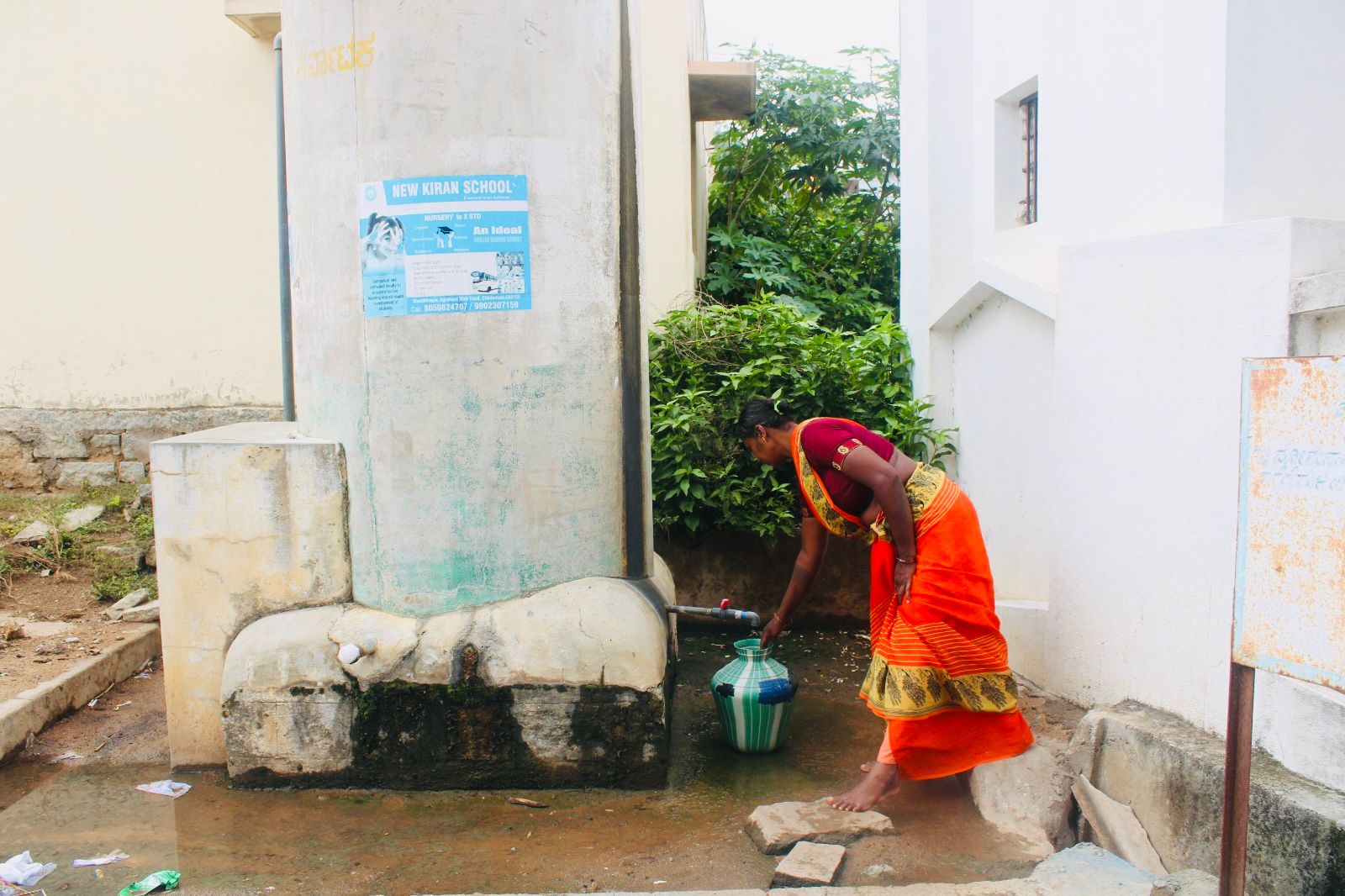
FISH works with India's small towns to strengthen WASH governance, institutional capacity, and financing, with climate risk and social inclusion embedded as core priorities. We support urban local bodies to plan, budget, and regulate water and sanitation services while addressing climate stresses such as water scarcity, flooding, heat, and service disruptions.
Our work is guided by the Inclusive and Climate Sensitive WASH (ICS WASH) Framework for Small Towns, designed for cities under 500,000 population to systematically integrate equity and climate resilience into local WASH systems. Using this framework, FISH co-developed the Climate-Sensitive WASH Action Plan for Chintamani, Karnataka, India's first WASH action plan for a small town grounded in this approach. The plan combines infrastructure resilience with municipal finance strategies, including revenue enhancement and access to climate finance.
Through capacity building, decision-support tools, and financing design, FISH enables towns to improve service performance, financial sustainability, and resilience for vulnerable communities.
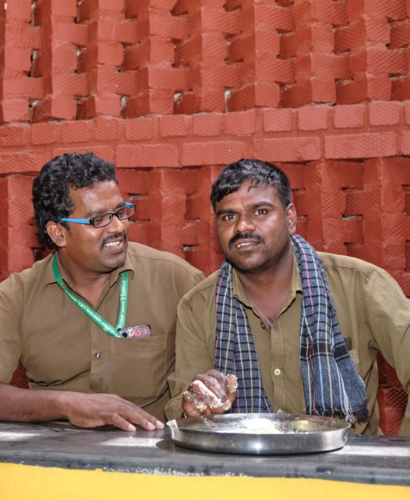
FISH advances inclusive sanitation in India's small towns by improving access to essential WASH services for sanitation workers and their families. We address critical gaps in drinking water, toilets, bathing, and hygiene infrastructure at worksites and in residential areas, strengthening dignity, health, and safety. Through partnerships with urban local bodies, FISH embeds worker-specific WASH needs into sanitation systems, enabling safer working conditions and more equitable urban services.
Viram Kendras, dedicated WASH facilities for sanitation workers, currently serve around 3,000 workers and their families. Through a standardized toolkit co-developed with the Government of Karnataka, these facilities are now being scaled across 190 ULBs in the state. Viram Kendras enhance worker well-being, dignity, and motivation, while reducing exposure to heat stress and unsafe or inadequate public amenities.
FISH also enables inclusive WASH solutions for underserved community settlements, one such example is the Kandawara Sanitation Workers' Colony in Chikkaballapur, Karnataka, home to 105 sanitation workers' households. These settlements are supported through decentralized, locally managed water and sanitation systems and are eventually integrated into municipal service delivery, ensuring reliability, accountability, and long-term sustainability.
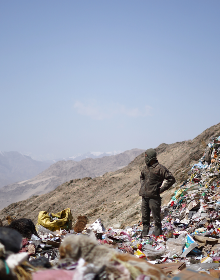
Legacy waste poses a growing environmental and governance challenge for India’s small and medium towns, with an estimated 1,300 million
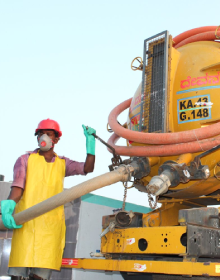
The Program focuses on strengthening integrated water management as a core municipal service of general interest, enabling small-sized municipalities
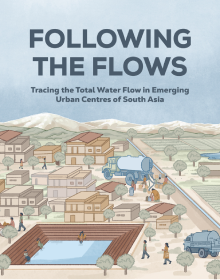
The assessment examined 15 small towns across India to understand how governance systems, institutional capacity, and financing arrangements
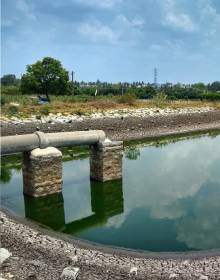
The ICS WASH Framework was adapted to strengthen municipal preparedness for climate risks in small towns with populations under 500,000,
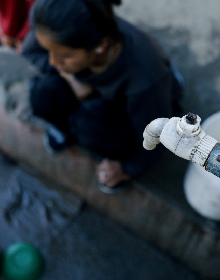
The Equitable Delivery of Basic WASH Services initiative focused on improving access to safe water and sanitationfor underserved
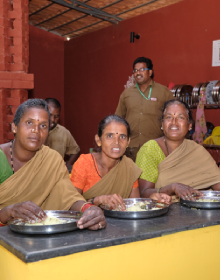
Sanitation workers are central to urban public health, yet their working conditions in many small and medium towns remain unsafe and undignified
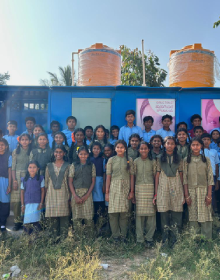
The School WASH Transformation Project strengthened safe, inclusive sanitation facilities, improved hygiene practices, and ensured sustainable water access across multiple schools in underserved communities.